| 
Review: Jack Foley
ROUGH Trade is generally recognised as one of the leading independent
record labels in the country; one which has consistently provided
a showcase for some of the hottest new talent since opening its
first record store in 1976
Each year, the label uncovers a wealth of hot new acts - some
destined for bigger things, others drenched in low-key greatness,
or merely those that provide a fascinating alternative from the
mainstream (no matter what you may think of them).
The Counter Culture albums are therefore designed to reflect
Rough Trade Shops' biggest sellers, personal favourites and hidden
gems of the year.
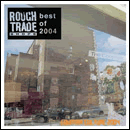
The 2004 collection is no exception, arriving as a double CD
packed with an eclectic mix of the finest Rough Trade has to offer.
Or, as the PR states: "What you have here is a chaotic mixture
of the old and the new, the obscure and the well-known, the big
sellers and the limited editions. All lovingly selected from the
varied tastes of the staff, from amongst the many different styles
of music stocked within our untidy but well-loved store and that
were released during 2004."
Needless to say, the album is a mixed bag. Highlights include
Elliott Smith's Lets Get Lost (a fitting reminder to
a lost talent), Bloc Party's Little Thoughts (which amply
demonstrates why they are the hot tops of 2005), and Cornershop's
chilled out Top Knot (which went criminally overlooked).
Death From Above 1979 contribute Romantic Nights ahead
of the release of Blood On Our Hands as a single - a
typically raw slice of bass, drums and shouty vocals that scream
out to be heard.
It is in stark contrast to the Deep South banjos and gospel choirs
of Ambrose Tompkins' delightful Running on Grass, which
could easily find its way onto the Coen brothers' O Brother, Where
Art Thou soundtrack.
Or the angelic symphony that greets the start of Jem Finer and
Andrew Kotting's oddly surreal Rockaway - one of many
obscure delights on the album.
Dance also gets a look in, with the likes of Whitey's Twoface
and Alter Ego's underground club anthem (and Mr Scruff influenced
knob-twiddler) Rocker emerging as the better examples
of the new wave.
Given that the album is light on really big names, however, it
remains a collectors' piece for those with their eye on new and
emerging talent, rather than someone looking for a quick-fix instant
classic.
It can delight and frustrate in equal measure, but it does serve
the Rough Trade name (and ethos) well, making it a recommended
purchase for anyone who likes their music to offer something different.
Who knows, it may even inform some album choices for the coming
year?
|


